
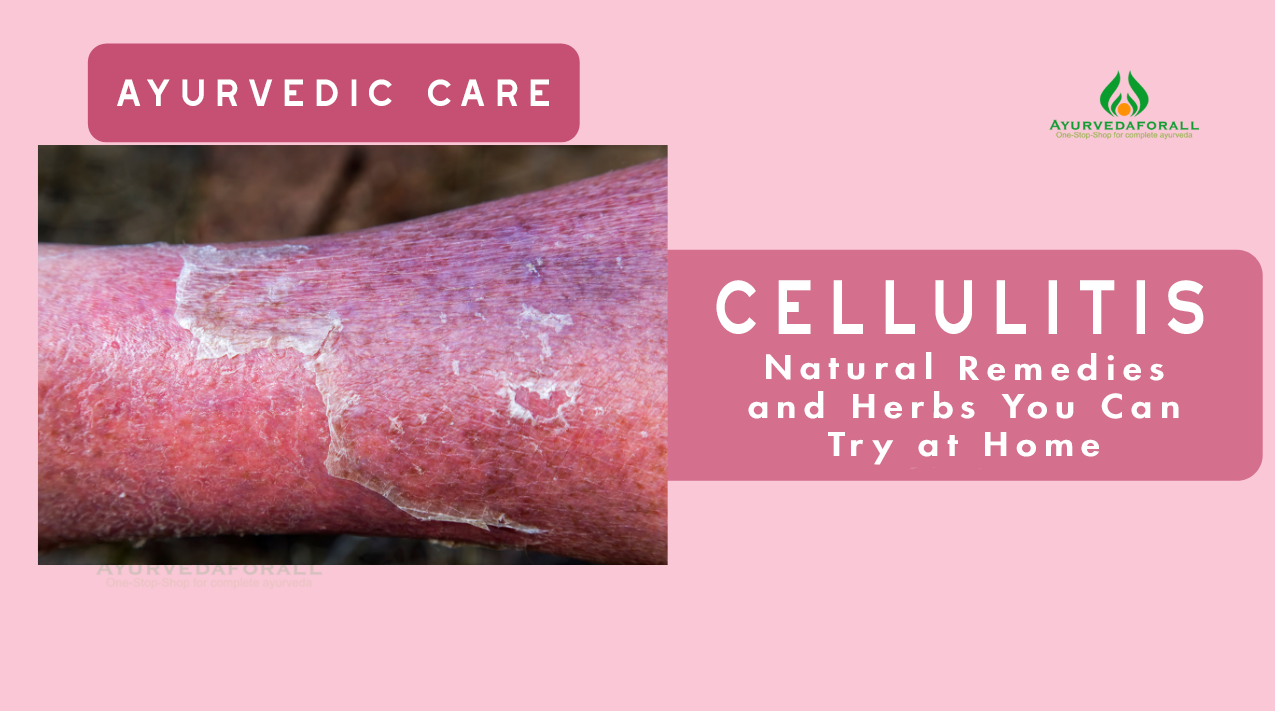
Cellulitis is painful, swollen, and inflamed skin that can spread like wildfire. Dealing with it can be frustrating and painful, taking a toll on your daily life. While antibiotics are the go-to treatment, natural remedies for cellulitis may help soothe symptoms and support recovery.
What you’ll discover in this guide:
-
- The best natural remedies to relieve pain, swelling, and inflammation;
-
- Herbal treatments that may aid recovery and protect the skin;
-
- Home treatment options to support faster healing;
-
- Ayurvedic treatments that target cellulitis at its root cause and
-
- Preventive measures to strengthen immunity and lower future risk.
From gentle herbal treatments to a holistic approach, discover natural ways to give your skin the care it needs. Ready to explore the best remedies nature has to offer? Let’s dive in!
What is Cellulitis (And What Causes It?)
Cellulitis is a bacterial skin infection that causes redness, swelling, warmth, and tenderness. While it can appear anywhere on the body, it is most commonly found on the lower legs. The infection occurs when bacteria enter through a break in the skin, such as a cut, insect bite, or surgical wound.
What are the Symptoms of Cellulitis?
It often starts as a small, painful area of redness but can spread quickly. Common symptoms include:
-
- Swelling or inflammation in the affected area
- Rash that spreads over time
- Skin that feels warm to the touch
- Pain or tenderness
- Fever and chills (in severe cases)
- Blistering or abscess formation (with pus)
Cellulitis can lead to serious complications, including tissue damage and bloodstream infections.
What is the Main Cause of Cellulitis?
Bacteria cause cellulitis – most commonly Streptococcus and Staphylococcus species – that enter through broken or compromised skin. This can happen due to:
-
- Cuts, wounds, or burns
- Insect or animal bites
- Surgical incisions
- Skin conditions like eczema or psoriasis
- Fungal infections like athlete’s foot
How is Cellulitis Diagnosed?
- Physical Examination
- Laboratory Tests:
-
- Total White Blood Cell (WBC) Count
- Gram Stain and Culture
- Biopsy Culture
- Erythrocyte Sedimentation Rate (ESR)
- “Touch” Preparation Test
-
Who is Most at Risk?
Anyone can develop cellulitis, but certain factors increase the risk, including:
- Weak immune system due to diabetes, HIV, or chemotherapy.
- Poor circulation due to conditions like varicose veins or lymphoedema.
- Obesity as excess weight can make the lower legs more susceptible.
- Frequent skin injuries such as cuts, scrapes, or insect bites.
- Lack of proper hygiene is caused by several factors, such as sharing contaminated personal items (e.g. towels, razors, etc.).
Cellulitis can also spread through skin-to-skin contact with an infected person. Crowded environments are high-risk areas.
Natural Remedies and Treatments for Cellulitis
Cellulitis treatment typically begins with antibiotics – penicillin is often the drug of choice for initial treatment. Analgesics and anti-inflammatory drugs help alleviate pain and reduce swelling as well. In some cases, antifungal medications are also used if a concurrent fungal infection is suspected.
Although antibiotics are essential for treating bacterial infections, several natural remedies may help support your body’s healing process and ease discomfort. These remedies focus on balancing your immune function, which is important for fighting infections like cellulitis.
1. Aloe Vera Gel
Aloe vera is well known for its cooling and anti-inflammatory properties. Aloe vera gel can help soothe irritation and reduce redness when applied topically to a gently cleansed area.
2. Coconut Oil
Rich in medium-chain fatty acids, coconut oil can moisturise skin and has mild antimicrobial effects.
3. Durvadi Oil
Durvadi oil can be beneficial when used topically because it is known for its antimicrobial and analgesic properties. This combination may reduce pain and further support skin healing.
4. Jathyadi Ghrutham
Known for its potent antibacterial properties, it can be applied to minor, superficial wounds.
5. Neem Extract
Neem is prized for its potent antibacterial, antifungal, and anti-inflammatory effects. A diluted neem extract or oil may be carefully applied to the affected area to help inhibit the proliferation of bacteria and ease local inflammation. Always dilute neem products appropriately to avoid irritation.
6. Gopadmajakadi Oil
It has strong antibacterial and anti-inflammatory properties. Apply it to the skin and leave it on for a few hours.
7. Proper Cleansing and Hygiene
Gently cleansing the affected area with a mild, natural antibacterial soap helps remove dirt and prevents further irritation. This simple measure is key to supporting skin healing and preventing additional infections.
8. Propolis
Bee propolis is rich in flavonoids and is known for its antibacterial activity. It’s used in some natural skincare products! A propolis-infused cream or ointment applied to the affected area may help curb bacterial growth and promote healing. Just make sure to use it with the guidance of a professional to ensure proper formulation and application. Pinda Tailam is an oil with beeswax that can hydrate skin.
9. Nalpamaradi Oil
Recognised for its antifungal and antibacterial properties, Nalpamaradi oil can be directly applied to the skin. It’’s 100% safe! Leave it on for a few hours before rinsing.
Herbal Remedies for Cellulitis
- Turmeric offers anti-inflammatory and antimicrobial benefits. It may be added to warm milk or applied in a diluted paste.
- Garlic, with its natural antimicrobial and anti-inflammatory compounds may help reduce local infection when used topically. Adding garlic to your diet also offers the same benefits!
- Fenugreek is a strong anti-inflammatory agent. You can use it as a paste by soaking the seeds in water and grinding them into a paste.
- Aneth has antibiotic, antimicrobial, and anti-inflammatory properties. It can be consumed as tea or applied in cream or gel to the skin.
- Alovera can be made into a paste by grinding it with water. Apply the paste to the affected areas to treat cellulitis with its antioxidant and Vitamin C properties.
- Turmeric has anti-inflammatory and antimicrobial properties that reduce swelling, combat infection, and promote wound healing. Its flavonoids and triterpenoids accelerate tissue repair and collagen synthesis.
- Manjishta has astringent and antimicrobial properties that reduce swelling, constrict blood vessels and combat infections.
These herbal remedies can be used topically as infused oils, extracts, compresses, or added to bath water. However, consult with a healthcare professional before using herbal remedies, especially if you have underlying medical conditions.
Home Treatment Options
- Rest and Elevation – Elevate the affected limb to reduce swelling and improve blood circulation. Rest is essential to allow your body to focus on fighting the infection.
- Compresses—Applying a warm compress can help ease pain and reduce inflammation. If the affected area feels excessively hot, you can use a cool compress instead. Avoid extreme temperatures, use a clean, damp washcloth, and reapply as needed.
- Over-the-Counter Pain Relief – Nonsteroidal anti-inflammatory drugs (NSAIDs) like sallaki and Guggul can help manage pain and lower inflammation. Always follow dosage recommendations and check with your doctor before use.
- Wound Protection – While not a substitute for proper treatment, protecting the affected area can help prevent irritation from clothing or accidental trauma. Simple cover it loosely or as advised by your healthcare provider.
- Herbal Soaks – Make a warm bath with Neem, Turmeric, and rock salt.
Important: These self-care strategies are intended to complement – not replace – antibiotic treatment.
Guidelines for Wound Care
- Gently wash the affected area with a mild, antibacterial soap and lukewarm water. Avoid using harsh chemicals or scrubbing vigorously, as this may irritate the skin further.
- Depending on your doctor’s advice, you may apply a thin layer of an antibiotic ointment to protect the wound from additional infection. You can use some of the natural or herbal remedies listed above as topical agents if recommended.
- Cover the wound with a sterile bandage or dressing to keep out dirt and bacteria. Change the dressing regularly to maintain cleanliness and monitor for any signs of worsening infection.
- Avoid irritants like perfumes, strong detergents, or chemically laden lotions on the infected area; use natural products instead.
Important Precautions with Natural Treatments
- Natural treatments should never replace professional evaluation or prescribed antibiotics for cellulitis. Always consult your healthcare provider for any new remedy, especially if you have an underlying condition or are taking other medications.
- Some natural products may cause skin irritation or allergic reactions if not diluted properly or if applied to broken skin. Perform a patch test on a small area before wider application.
- Natural remedies like neem and oregano oil may interact with medications or affect your immune system. Ensure that any herbal supplement is safe for your personal health profile.
- Follow recommended guidelines for dilution, frequency, and duration. Overuse or misuse can potentially worsen symptoms or delay healing.
- Continue to monitor your symptoms. If there are signs that the infection is worsening (such as increased redness, swelling, or pus formation), discontinue the remedy and contact your healthcare provider immediately.
When to Seek Medical Attention
- Rapid spreading of redness or swelling
- High fever or chills; flu-like symptoms
- Increased pain or tenderness
- Experiencing signs of systemic infection (confusion, rapid heartbeat, difficulty breathing, or a feeling of being extremely unwell)
- No improvement within 46 hours
- If you are/have:
- Elderly
- Pregnant
- A weak immune system
- Diabetes
- Chronic skin conditions
- Other serious illnesses
Preventive Measures to Reduce Future Risk of Cellulitis
Dietary Changes
Foods to Avoid:
- Cold and dry foods
- Hard-to-digest foods
- Sour foods (e.g. vinegar)
Foods to Include:
- Easily digestible, warm foods like vegetables, soups, and whole grains
- Anti-inflammatory foods rich in antioxidants such as berries, leafy greens, and turmeric
- Hydrating fruits and vegetables like cucumber, watermelon, and oranges
- Healthy fats like flaxseeds and walnuts
- Milk and Butter
Lifestyle Modifications
- Avoid excessive sun exposure
- Maintain a healthy weight
- Practice good hygiene
- Manage stress
- Engage in regular exercise
- Avoid smoking
Cellulitis in Ayurveda
In Ayurveda, cellulitis is categorized under:
- Visarpa – a serious, rapidly spreading disorder. Often referred to as parisarpa, characterized by the tendency to extend over large areas of the body.
- Vranasotha – refers to inflammatory conditions affecting skin lesions.
Causes of Cellulitis (Nidana)
- Excess consumption of acrid, salty, hot, and unctuous foods
- Increased intake of sour curd and vinegar
- Eating during indigestion
- Consumption of uncooked vegetables
- Traumatic injuries
Early Symptoms (Purvaaroopa)
Reddish skin lesions
Development of Disease (Samprapti)
Aggravation of the three doshas (Vata, Pitta, and Dosha) vitiate Rakta dhatu (blood tissue), further disturbing Mamsa (muscles) and Lasika (lymph).
Signs and Symptoms of Cellulitis (Lakshana)
- Burning sensation (Daha)
- Fever (Jwara)
- Excessive thirst (Trishna)
- Profuse sweating (Atsiveda)
- Throbbing or pulsating pain (Toda)
- Blisters (Pidaka)
- Inflammation (Sotha)
- Redness of the skin (Rakta Varna)
Ayurvedic Treatment of Cellulitis
Ayurvedic treatment for cellulitis (Visarpa) is grounded in the Tridosha Theory, aiming to restore the balance of Vata, Pitta, and Kapha doshas.
Chikitsa
- Jalaukavacharana – leech application
- Jatyadi Tail Application – herbal oil used to aid wound healing
- Triphaladi Lepa – paste made from Triphala and other herbs applied to the affected area
- Udumbaradi Pralepa – herbal paste
Samana
- Sukshma Triphala
Sodhana
- Virechana (Therapeutic Purgation) – mild purgation therapy administered daily to eliminate excess Pitta dosha
- Vamana (Therapeutic Emesis) – induced vomiting to expel accumulated doshas, particularly Kapha
Best Ayurvedic Medicines for Cellulitis
- Panchatikta Kashayam
- Manjishtadi Kashayam
- Patolakadurohinyadi Kashayam
- Shonithamrutham Kashayam
- Amruthavrishapatoladi Kashayam
- Arogyavardhini Vati
- Sukshma Triphala
- Gandhak Rasayan
- Panchatikta Ghrita
- Triphala Guggulu
- Sarivadyasava
It’s advisable to seek advice from a healthcare professional or an Ayurvedic practitioner before taking any medications. Consider booking a free online consultation with us.
Pranayama
Nadi Shodhana (Alternate Nostril Breathing) is a technique for calming the mind and relieving pain and stress associated with infections.
- Sit comfortable in a meditative posture with your head and spine erect.
- Close one nostril (for example, the left if using your right hand) with your thumb and exhale completely through the open nostril.
- Inhale deeply through the same nostril while the opposite one remains closed.
- Switch sides and repeat for several minutes to help restore balance and promote relaxation.
Frequently Asked Questions
What vitamins help heal cellulitis?
Vitamin C (boosts immunity), VItamin D (supports skin health), and Zinc (aids wound healing) are beneficial.
What kind of cream can you put on cellulitis?
Doctor-prescribed antibiotic creams and soothing natural options like aloe vera or manuka honey.
Is cellulitis linked to poor hygiene?
Poor hygiene can increase infection risk, but cellulitis often results from minor cuts, bites, or weakened immunity.
Can cellulitis turn into sepsis?
Yes, if left untreated. Cellulitis can spread to the bloodstream and cause life-threatening sepsis. Seek medical help if symptoms worsen.
How common is cellulitis?
Cellulitis is relatively common, especially in people with weakened immune systems, diabetes, or skin injuries.
Can I treat cellulitis myself?
While home remedies can help ease symptoms, cellulitis requires medical attention.
How to tell if cellulitis is healing?
Reduced redness, swelling, pain, fading warmth, and now new blisters or spreading.
What can make cellulitis worse?
Delaying treatment, scratching, and poor hygiene can worsen cellulitis.
Disclaimers
The information provided in this article is for education purposes only and should not be considered as a substitute for advice from a health care professional, proper diagnosis, or treatment. Always seek the guidance of a qualified healthcare provider with any questions you may have regarding a medical condition or the use of Ayurvedic remedies.
It is important to note that the UK Medicines and Healthcare Products Regulatory Agency (MHRA), Food and Drug Administration (FDA), European Medicines Agency (EMA), and the World Health Organization (WHO) do not regulate alternative medicines. Anyone interested in these remedies should discuss them with a doctor first and always purchase them from a reliable source.
The following treatments are intended to support overall well-being and may help alleviate symptoms, but they are not a substitute for professional medical advice, diagnosis, or treatment. Always consult your healthcare provider before trying any new remedy, especially if you have an existing health condition, are pregnant, or are taking medication. Ensure the quality and purity of any product before use, and conduct a patch test before applying essential oils or topical treatments.
Supporting Research
Javali JA, Anusha K, Ayurvedic management of Vranashopha w.r.t. Cellulitis: A Single Case Study. J Ayu Int Med Sci. 2024;9(9):287-293. https://jaims.in/jaims/article/view/3584

This article has been reviewed by Dr. Rajesh Nair, the co-founder and chief consultant of AyurvedaForAll and AyurvedaForAll UK. Dr. Nair graduated from the esteemed Vaidyaratnam Ayurveda College (affiliated with the University of Calicut) in Kerala, India, and holds a Postgraduate Diploma in Yoga Therapy from Annamalai University.
With over 25 years of experience in Ayurveda, Dr. Nair specialises in Panchakarma, Yoga, and Ayurvedic Massage. He consults at two busy clinics in the Southern state of Kerala, renowned for its traditional Ayurvedic practices, and offers online consultations to patients worldwide. Dr. Nair is the state secretary of the Ayurveda Medical Association of India and frequently speaks at Ayurveda-related conferences. He has also visited Germany to propagate Ayurveda.
Dr. Nair’s expertise ensures that all content on this website is medically sound and adheres to the highest Ayurvedic standards.
Visit AyurvedaForAll and AyurvedaForAll UK for more information.
 English
  Русский
  Deutsch
  Français
  Türkçe
  Italiano
  Español