Posted on

How to Integrate Ayurveda with Modern Skincare

Maintaining healthy skin has never been more diverse, especially with the myriad of skincare products and routines. Modern skincare offers a lot of advanced solutions, but how about traditional methods?

Ayurvedic practices can enrich and balance your skincare routine as effectively as modern skincare, and can have benefits when both are combined! As Ayurveda leans more on achieving holistic health and beauty through ancient and natural methods, let’s see how we can blend its principles with modern skincare to create a routine and practice that balances both worlds.

Understanding Ayurveda and Skincare

Ayurveda has been practiced for thousands of years. It focuses on balancing the body, mind, and soul through natural ingredients, choices, and practices. Skin health is viewed as a reflection of overall well-being and balance in Ayurveda, let’s dive into what Ayurveda has to say about skincare. Modern Skincare

In today’s age, skincare has been revolutionized with innovative formulations and technologies. Modern products now feature ingredients that are designed to target specific skin concerns such as allergies, acne, and other common skin issues. Technology is now even used in skincare routines, which gives everyone their own choice in what to buy or use for their skincare routine.

Skincare routines nowadays are more personalized, but how can you integrate Ayurveda into your skincare routine? Let’s see!

Balancing Ayurveda with Modern Skincare

Integrating Ayurveda practices with modern skincare involves combining the ancient teachings of Ayurveda with the efficacy of products today. Here’s how to blend these two approaches for more optimal healthy skin:

Understanding Your Dosha

Ayurveda identifies three primary doshas: Vata, Pitta, and Kapha, each influencing your skin type and its needs. Here is a quick overview of how each dosha is characterized as:

  • Vata. Vata skin is characterized as dry, thin, and prone to fine lines. It needs extra hydration and nourishment.
  • Pitta. Pitta skin is characterized as sensitive and prone to redness and oiliness. It needs cooling and soothing treatments.
  • Kapha. Kapha skin is characterized as thick, oily, and prone to congestion. It needs regular cleansing and oil control. 

Modern Skincare to Dosha’s Needs

Now that we know what each dosha needs, modern skincare products can be tailored to address these, for example:

  • Vata skin. As Vata skin needs extra hydration and nourishment, we can use hydrating serums and moisturizers for this. Products containing hyaluronic acid or essential fatty acids are most recommended.
  • Pitta skin. As Pitta skin needs more cooling and soothing treatments, ingredients such as aloe vera can be used to reduce redness and inflammation.
  • Kapha skin. As Kapha skin needs regular cleansing and oil control, ingredients and products that are oil-free are recommended to control excess oil.

Understanding your dosha and knowing how to treat it is key to knowing how to integrate Ayurveda with modern skincare. Combining Ayurvedic practices with modern products can create a skincare routine that is beneficial and can last a long time!

Want to learn more about doshas or find out what your skin type is? Visit this link.

Ayurvedic Ingredients

There are natural ingredients that are quite effective when used alongside (or even as alternatives!) modern skincare products. Here are some ingredients that you can use and how to incorporate them with modern skincare:

  • Turmeric. Turmeric has properties that are both anti-inflammatory and antioxidant, this can be combined with modern formulations to enhance their efficacy in those areas. You can make a turmeric mask which can be used alongside products containing vitamin C or E for brightening and anti-aging benefits.
  • Aloe Vera. Aloe vera is known for its soothing and hydrating properties, making it ideal for calming irritated skin. It can help reduce redness and inflammation. Aloe vera gel can be used as a base for DIY face masks or combined with modern hydrating products to enhance its soothing effects.
  • Honey. Honey draws moisture into the skin, which is excellent for hydration. Using honey in a DIY mask or applying it to your moisturizer enhances the skin’s texture and hydration.
  • Rosewater. Rosewater helps in hydrating the skin. Use it as a toner to balance and brighten the skin. You can spritz some rosewater on your face before applying products that enhance or soothe the skin.

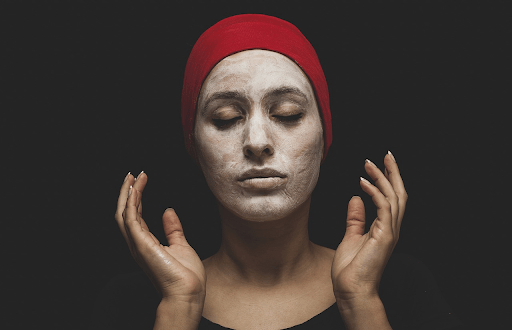
Using Ayurvedic masks and oils with modern products can amplify their effects. Want to know how you can create your  Ayurvedic skin care treatment products? Check this one out!
Creating Your Skincare Routine

Here is a skincare routine that balances both modern products and Ayurveda:

Morning Routine:

  • Cleansing. Use a gentle cleanser, such as cotton balls dipped in Triphala or any hydrating cleanser, then follow it with a modern exfoliant.
  • Toning. Apply a toner that addresses your specific concerns, rose water can balance the skin and modern toners may offer additional benefits such as minimizing pores.
  • Moisturizing. Apply a moisturizer that matches your skin type. For Vata skin, go for one that is rich in formula while Kapha skin benefits more from oil-free moisturizers like Alovera. 
  • Sun Protection. The Sun’s UV light is one of the causes of common skin issues, so it’s better to use sunscreen. There are modern sunscreens that have added antioxidants that you can use or even ones that have natural ingredients like aloe vera or Nalpamara that can offer protection from UV light.

Evening Routine:

  • Cleansing. Cleansing isn’t just to start the day! This time use a deeper cleanser or oil to remove makeup and impurities, followed by a modern cleansing product as well.
  • Exfoliation. Incorporate gentle exfoliation at least once or twice a week using a product that suits your skin type. 
  • Treatment. Apply treatments that target your specific concerns, such as anti-aging, acne, or dry skin treatments. When using modern products, consider laying it with turmeric masks or any Ayurvedic treatments.
  • Moisturizing. Similar to your morning routine, moisturize your skin at night but this time use a night cream or oil that nourishes the skin overnight. Almond oil can be used in pairs with modern night creams to enhance hydration and skin repair.

Want to a more detailed guide for your Aryuveda skin care routine? Check this one out!

Additional Ayurvedic Practices to Enhance Modern Skincare

Here are more techniques and how to integrate them into your modern skincare routines:

  • Dry Brushing. This is the act of using a natural bristle brush to exfoliate the skin before showering, this helps remove dead skin cells. Combining dry brushing with exfoliating in your routine can enhance your skin’s texture and promote circulation.
  • Self-Massage. If you apply nourishing oil to your skin and massage in a circular motion it can improve circulation, hydrate the skin, and promote relaxation! Consider adding this as part of your nightly routine.

Conclusion

Integrating Ayurveda with modern skincare provides a more holistic approach to achieving and maintaining healthy skin. First you have to understand your dosha to know what it needs and use Ayurvedic ingredients that complement it. The effectiveness of modern products can be enhanced by the use of Ayurvedic ingredients and techniques that create a balanced skincare routine. 

Combining Ayurvedic practices with modern skincare products allows you to address the needs and issues of your skin in an approach that embraces the past, the present, and even the future! You get the best of both worlds and you are more cultivated in nourishing your skin.

Ayurveda believes that the skin reflects your overall well-being, so take care of your skin. Modern products and ancient traditions can coexist in your routine and it will revitalize your skin.

Do you want to learn more about Ayurveda? Better check out the rest of our guide! Want to know how you can personalize your skincare routine from an expert? We got you! Consider booking an online consultation with Dr. Rajesh Nair, our Ayurvedic expert. He can give you advice and insight as to how you can integrate Ayurveda into your modern skincare routine!

  1. Visit our website at https://ayurvedaforall.co.uk/
  2. Click on the ‘Book an Online Consultation’ button
  3. Fill out the consultation form with your details and skincare concerns
  4. Submit the form to proceed with booking your session


Posted on

Ayurvedic Lifestyle for Better Skin: Diet, Sleep, and Stress Management Practices

There is no doubt that in today’s world, health is everything, and it stems not just on the inside but the outside as well. Maintaining healthy skin often feels like a hassle with all the different products and routines one must maintain. As they say, “modern problems require modern solutions,” but what if it doesn’t have to be modern?

Ayurveda is a system of medicine that has existed for thousands of years, yet it offers a more holistic approach to taking care of one’s skin. Its ancient wisdom goes beyond just surface treatment. Through traditional practices, mindful eating,  and quality sleep, you can enhance your skin’s health.

Let’s explore how we can live an Ayurvedic lifestyle for better skin. Vibrant and glowing skin, here we go!

Ayurveda’s Impact on Skin Health

As mentioned, Ayurveda is a system of medicine that has existed for thousands of years. It originated in India and offers an approach to health that emphasizes balance and harmony among the body, mind, and spirit. In Ayurveda, skin health is a reflection of your overall well-being and is influenced by various lifestyle factors. By aligning your daily habits with Ayurvedic principles, you can address skin issues at the root of their cause rather than merely treating it thereafter due to symptoms. 

Diet and Its Role in Ayurvedic Skincare

Diet plays a major role in maintaining skin health according to Ayurveda, as the food you eat impacts your skin’s appearance and texture, as well as giving you nourishment. Here are some guidelines that you should know about keeping a diet:

  • Seasonal and fresh foods are highly recommended. Seasonal and fresh foods are better suited to your body’s needs. Seasonal produce for example is more likely to be nutrient-dense and free from artificial additives, which helps provide the essential vitamins needed for healthy skin. They are also easier for your body to digest, promoting better overall health and subsequently healthier skin.
  • Balance the six tastes (sweet, sour, salty, bitter, pungent, and astringent) in your diet. In Ayurveda it teaches that there are six tastes with each having a specific effect on the body and the mind. Each taste has different effects, such as bitter and astringent tastes help reduce excess oil and inflammation.
  • Always maintain hydration, warm water is recommended over cold water. Hydration in general is vital to everyone’s overall health, and it’s important in maintaining healthy skin. Warm water helps maintain the skin’s natural moisture balance, which reduces dryness.
  • Avoid processed food as much as possible. Processed foods often contain artificial additives, excess sugar, and unhealthy fats, which can disrupt the body’s natural balance.

Quality Sleep for Quality Skin

Sleep is considered essential, not just in Ayurveda, as it allows the body to repair itself, including the skin. However, not everyone gets to have a good night’s sleep, so, here are some tips on how to improve your sleep:

  • Create a sleeping routine. Having time to go to bed, and a time to wake up each day regulates your body’s internal clock, also known as our “body clock.” Ayurveda recommends a bedtime between 10:00 PM and 6:00 AM for a proper routine. 
  • Create a relaxing environment. As sleep is our time to relax, our environment should also be relaxing. A peaceful and comfortable sleeping environment promotes restful sleep. Clean your room regularly and try using a calming scent such as lavender, also remember to keep your bedroom cool and dark.
  • Avoid stimulants before sleeping. Caffeine and heavy meals are examples of stimulants that should be avoided or reduced before bedtime. Instead of any drink with caffeine, consider warm herbal tea. Avoid looking at a bright screen as well before sleeping.

Stress Management to Better Manage a Healthy Skin

Stress can have a significant impact on your skin, as such it is one of the factors that can lead to common skin issues such as acne, dryness of skin, and signs of aging. Ayurveda gives importance in stress management to maintain healthy skin. Here are some techniques that Ayurveda teaches to manage your stress:

  • Practice meditation. Regular meditation can help reduce stress and also improve emotional well-being, Ayurveda suggests incorporating meditation into your daily routine. Try giving time to meditation after you wake up.
  • Engage more in physical activity and exercise. Continuing the topic of incorporating an activity into your daily routine, consider adding exercise to it! Not only will it boost overall health but help in reducing stress as well. Activities such as yoga help in making the body more relaxed.
  • Practice breathing exercises. Exercise is not only about engaging in physical activity but it is also about how we breathe. In Ayurveda, controlled breathing is called “Pranayama,” and it helps regulate the nervous system, thus reducing stress. You can also do this daily, so try to insert it into your daily routine.

Improve Circulation

In stress management, it is mentioned how the activities help in circulating blood. Improving blood circulation has a lot of additional benefits! Here are two practices you can do that help in circulation:

  • Self-Massage. Massaging yourself, with warm and nourishing oils, helps improve blood circulation to parts of your body and hydrates the skin. Make sure to know which types of oils are suited to your skin type.
  • Dry brushing. Before showering, try using a natural bristle brush. This practice helps remove dead skin cells which will help to make your skin smoother and healthier. 

Conclusion

Having an Ayurvedic lifestyle offers a more holistic approach to achieving and maintaining healthy skin. By focusing on a balanced diet, getting quality sleep, and learning to manage your stress, you can enhance your skin’s health and appearance.

Remember to understand your dosha and to incorporate Ayurvedic principles into your daily routine as it can lead to more balance, Ayurveda is not about perfection after all. Embracing an Ayurvedic lifestyle can transform your life for the better!

Take care of your skin and adopt a holistic approach in life. If you want to learn more about Ayurveda you can check out the rest of our guide! Can’t find what you’re looking for or want to ask something personal? Consider booking an online consultation with our Ayurvedic expert, Dr. Rajesh Nair. He can give you more advice and insights about living an Ayurveda lifestyle.

  1. Visit our website at https://ayurvedaforall.co.uk/
  2. Click on the ‘Book an Online Consultation’ button
  3. Fill out the consultation form with your details and skincare concerns
  4. Submit the form to proceed with booking your session


Posted on

3 Ayurvedic Solution for Skin Issues: Combat Acne, Dry Skin, and Signs of Aging with Natural Remedies

Ayurveda is a traditional or ancient Indian system of medicine that offers an approach to skincare that integrates the body, mind, and spirit. It focuses on natural remedies and treatments. As such, Ayurveda also has its way of treating common skin concerns such as acne, dryness of skin, and even signs of aging! 

In this article, we’ll explore how Ayurvedic principles can be applied to address these common skin problems, highlighting particular ingredients and techniques that can be adapted to or enhance modern skin care practices.

Get ready to learn Ayurvedic solution for skin issues and unlock the secrets to rejuvenate your skin more naturally.

Understanding Ayurveda

Principles of Ayurveda

Ayurveda, which translates to “the science of life,” is rooted in the belief that health and wellness depend on a balance between three fundamental energies or “doshas”: Vata, Pitta, and Kapha. Each dosha governs various physiological and psychological functions.

Vata. Vata skin is characterized as dry, thin, and susceptible to fine lines, making it need more nourishment and be moisturized. Creams and nourishing body oils are essential to people with Vata skin. Vata imbalance can lead to dry, flaky skin, and wrinkles.

Pitta. Pitta skin is sensitive, prone to redness, and oily (but only in a few areas). People with Pitta skin benefit from gentle skin care products. Pitta imbalance can lead to acne, rashes, and inflammation.

Kapha. Kapha skin is generally thick, oily, and prone to clogged pores – requiring regular cleansing. Kapha imbalance leads to oilier skin.

People tend to have more than one dosha which can lead to a variety of imbalances and different skin issues. Understanding your unique dosha blend can help tailor skincare solutions to address the skin problems you are facing. 

To know what skin type you are and to learn more about it, visit this link.

Ayurvedic Solution for Skin Issues

Acne

Causes of Acne

Acne is a common skin condition characterized by the presence of pimples, blackheads, and cysts. It is primarily caused by: 

  • Excessive Oil Production. Overproduction of sebum can clog pores and lead to acne.
  • Hormonal Changes. Fluctuations in hormones, particularly androgens, increase oil production.
  • Hygiene. Dirty clothes, sheets, and towels can cause acne.
  • Diet and Stress. Poor diet and high-stress levels can contribute to acne outbreaks. 
  • Heredity: Heredity is a factor deciding the skin nature and so do follow Ayurvedic lifestyle to keep the balance of the doshas as per Ayurveda. 

Skinelle Cream – use this cream to combat acne and pimples! See results in 2-3 weeks.

Ayurvedic Remedies for Acne

Ayurveda addresses acne by targeting its root causes, such as imbalance doshas. Here are some effective Ayurvedic remedies:

  • Neem. Known for its antibacterial and anti-inflammatory properties, neem helps to cleanse the skin and reduce acne. Neem leaves can be used as a paste or as of neem oil. Check out: Neem Capsules to manage acne and inflammation.
  • Turmeric. Turmeric contains curcumin, which has anti-inflammatory and antimicrobial effects. It can be applied as a mask, it can even be combined with other ingredients, honey for example.
  • Aloe Vera. Aloe vera soothes the skin and reduces inflammation. Its gel can be directly applied to affected areas for relief.
  • Manjistha. This herb is known for its blood-purifying properties and is used to treat acne and skin blemishes.
  • Holy Basil. Also known as Tulsi, has antimicrobial and anti-inflammatory qualities that make it a valuable remedy for acne-prone skin. It can be used as a face mask.
  • Pachotti: Powder of the bark of Pachotti is useful for the local application.
  • Sariba: Drinking water boiled with Sariba roots helps to cool down the body and purify the blood.

Try Anmol Sarson Amla – an Ayurvedic skin health solution to assist with acne.

Dry Skin

Causes of Dry Skin

Dry skin occurs when the skin lacks sufficient moisture. Causes include (but are not limited to): 

  • Environmental Factors. Exposure to cold or dry weather (depending on skin type), sun damage, low humidity, and harsh winds can strip moisture from the skin.
  • Improper Skincare. Using harsh soaps or over-cleansing can damage the skin’s natural barrier.
  • Diet and Hydration. Poor nutrition and inadequate water intake can contribute to dryness.

Ayurvedic Remedies for Dry Skin

Ayurveda addresses dry skin by giving remedies that nourish and hydrate the skin. It focuses more on balancing Yata dosha. Here are some effective remedies:

  • Coconut Oil. Coconut oil is a natural moisturizer that provides deep hydration. It can be applied directly to the skin or used in Ayurvedic oil blends.
  • Ghee. Ghee, or clarified butter, is rich in fatty acids and helps to nourish and hydrate the skin.
  • Almond Oil. Almond oil is another excellent moisturizer that helps to soothe and soften dry skin. It can be massaged into the skin for added hydration.
  • Honey. Honey is a natural humectant that attracts moisture to the skin. It can be used as a mask or combined with other moisturizing ingredients.
  • Milk. Milk contains lactic acid, which helps to exfoliate and hydrate the skin. A milk-based face mask can provide deep nourishment.

Try Himalaya Ayurvedic Moisturizing Body Lotion to combat dry skin. Hydrate your body naturally!

Aging

Causes of Aging Skin

Aging skin is characterized by wrinkles, fine lines, and loss of elasticity. Factors that cause this include:

  • Sun Exposure. Prolonged exposure to UV rays accelerates skin aging by breaking down collagen and elastin.
  • Reduced Collagen Production. As we age, the production of collagen and elastin decreases, leading to sagging and wrinkles.
  • Environmental Stressors. Pollution, smoking, and poor diet can contribute to premature aging.

Try Himalaya Geriforte Tablets to support healthy aging.

Ayurvedic Remedies for Aging Skin

Ayurveda offers several remedies to restore skin to its youth, such as:

  • Saffron: Saffron has antioxidant properties that help to brighten the skin and reduce signs of aging. It can be used in face masks or combined with other Ayurvedic ingredients.
  • Rosewater: Rosewater helps to tone and hydrate the skin, reducing the appearance of fine lines and wrinkles.
  • Pomegranate: Rich in antioxidants, pomegranate helps to protect the skin from damage and support cell regeneration.

    Visit this link to learn more about Ayurvedic products for your skin.


Ayurvedic Supplements to Help Manage Other Skin Conditions

Incorporating Ayurveda with Modern Skincare

Ayurvedic principles can complement modern skincare routines by offering natural and holistic solutions. Once you know what your dosha is, you can choose skincare products and routines that align with your skin type. Here’s how to integrate Ayurvedic practices with modern skincare:

  • Customizing Treatments. Tailor Ayurvedic remedies to suit your skin type and concerns. For example, combine herbal treatments with modern serums or moisturizers.
  • Routine Integration. Use Ayurvedic ingredients in conjunction with your existing skincare products. For instance, apply a turmeric face mask before using a hydrating serum.
  • Consultation. Consult with both Ayurvedic practitioners and skincare professionals to create a balanced and effective skincare regimen.

Conclusion

Ayurveda provides a wealth of natural solutions for common skin problems, focusing on balancing the doshas and addressing underlying imbalances. By incorporating Ayurvedic remedies and principles, you can enhance your skincare routine and achieve healthier, more radiant skin. 

Whether you’re dealing with acne, dry skin, or signs of aging, Ayurveda offers solutions that can be integrated into modern treatments and promote overall well-being!

Keep in mind that Ayurveda is about balance, not perfection – so don’t overdo it! Continue taking care of your skin and remember to be patient and know what your skin needs. Combining patience and proper care, your skin will be healthier and more radiant!

Want to learn more about Ayurveda? Check out the rest of our guide for more insights on products and routines. With us, you can balance your dosha and keep your skin healthy naturally.

If you have more questions or want a more personalized guide, consider booking an online consultation with our Ayurvedic expert, Dr. Rajesh Nair. He can offer advice that will be tailored to your specific needs.

  1. Visit our website at https://ayurvedaforall.co.uk/
  2. Click on the ‘Book an Online Consultation’ button
  3. Fill out the consultation form with your details and skincare concerns
  4. Submit the form to proceed with booking your session


Posted on

4 DIY Ayurvedic Skincare: Easy Recipes for Radiant Skin

Ayurvedic skin care focuses on balancing the body, mind, and spirit to achieve healthy and glowing skin. Unlike commercial products that often contain synthetic chemicals, Ayurvedic skin care relies on natural ingredients that harmonize with the body’s natural processes. These ingredients can all be found in our own homes so in this guide, we’ll teach you how to make your DIY Ayurvedic skincare treatment!

By making your Ayurvedic skincare products at home, you not only get to experience the benefits of these natural remedies but also save money. You will also be able to learn and have fun along the way.

Are you ready to be an advocate for natural skincare treatment? Let’s make your skin glow with ingredients that are on the go! 

Understanding the Benefits of DIY Ayurvedic Skincare

A person doing a skin care routine

Before we dive into creating, it’s important for us to understand the benefits that these Ayurvedic products offer:

Personalized and Skin Type Preference

Creating your own Ayurvedic skincare product can help you tailor treatment to your skin type and concerns. You can also add a personal touch to your product that fits your routine.

In Ayurvedic there are three (3) skin types, namely: Vata, Pitta, and Kapha. To learn more about these skin types, visit this link.

Cost-Effective

As the ingredients are natural, affordable, readily available, and commonly found in your household, you can easily save money.

Pure and Natural

You can ensure that the products are free from synthetic additives and preservatives!

Charusutra Ambika – an Ayurvedic collagen/hydrating mask for radiant skin!

Now, let’s get to know the ingredients that we will need for our Ayurvedic skincare products.

Essential Ingredients for Ayurvedic Skincare

DIY Ayurvedic skincareThese are few key ingredients that are commonly found in homes and health stores:

  1. Aloe Vera – known for its soothing and hydrating properties.
  2. Turmeric – offers anti-inflammatory and brightening benefits.
  3. Honey – a natural humectant that moisturizes and has antibacterial properties.
  4. Rosewater – refreshes the skin.
  5. Lemon – helps in reducing oil secretion.
  6. Cucumber – hydrates and cools the skin.
  7. Yogurt – contains lactic acid that exfoliates and nourishes.

Easy Ayurvedic Recipes

Let’s get cooking!

Aloe Vera Face Mask

What you’ll need:

  • a) 2 tbsp. Aloe vera gel
  • b) 1 tsp honey
  • c) 1 tsp rosewater

Directions:

  1. Mix the ingredients to make a paste.
  2. Apply to the face and leave on for 10-15 minutes, or just before it dries.
  3. Wash off with lukewarm water.
  4. Follow with a gentle moisturizer.

What are its benefits? This mask hydrates and soothes irritated skin, making it ideal for sensitive or sun-exposed skin.

Honey-Turmeric Face Mask

What you’ll need:

  • a) 2 tbsp. honey
  • b) 1 tbsp. turmeric powder
  • c) 1 tbsp. Plain yogurt (optional)

Directions:

  1. Mix the ingredients.
  2. Apply to the skin and leave on for 5-10 minutes.
  3. Wash off with lukewarm water.
  4. Apply a moisturizer.

What are its benefits? This exfoliates dead skin cells, brightens the complexion, and helps with uneven skin tone and blemishes. 

Cucumber and Yogurt Face Mask

What you’ll need:

  • a) ½ cucumber
  • b) 2 tbsp. plain yogurt
  • c) 1 tsp. honey

Directions:

  1. Peel and chop the cucumber.
  2. In a bowl, combine the cucumber, yogurt, and honey.
  3. Apply the mixture to your face and leave it on for 15 minutes.
  4. Rise off with cool water and pat dry.

What are its benefits? This mask provides hydration, cooling and soothing effects. It is perfect for dry or irritated skin.

Honey Lemon Face Mask

What you’ll need:

  • a) 2 tbsp. Lemon juice
  • b) 1 tsp. honey

Directions:

  1. Mix lemon juice and honey.
  2. Apply the mixture all over your face and let it dry.
  3. Rinse off with lukewarm water.

What are its benefits? This helps purify the skin, reduce oil secretion, and eliminate dead skin cells. This mask will minimize oil secretion and keep your face clean, soft, and smooth..

Now that you know how to make your own Ayurvedic skincare products, it’s still important to note several tips to further maximize its benefits and minimize mistakes.

Tips for Effective DIY Skincare

  • Clean hands. Always work with clean hands to avoid cross-contamination;
  • Clean and sterile environment. As your hands are clean, so does your surroundings, especially items that you will be putting on your face (such as towels to pat dry);
  • Fresh ingredients. Using fresh ingredients maximizes the benefits of your products and treatment;
  • Patch test. ALWAYS do a patch test before applying any new product to your skin to ensure irritation doesn’t occur; and
  • Consistency. Regular use of your DIY skincare products will yield better results.

Looking for Ayurvedic Skincare Products? Check these out!

Conclusion

Do-It-Yourself (DIY) Ayurvedic skincare is a fantastic way to embrace natural beauty remedies and take control of your skincare routine. Using easily accessible ingredients such as aloe vera, turmeric, and rosewater, you can create effective and personalized treatments that cater to your skin’s needs. Not only will you enjoy the process of making your own skincare products, but you’ll also benefit from the purity and effectiveness of these remedies. So, gather your ingredients, get creative, and let your skin glow with the goodness of Ayurveda!

Remember, Ayurveda is about balance, not perfection. Be patient with your skin and adjust your skincare routine as needed. With time and attention to your dosha, you’ll be on your way to healthier, more radiant skin.

Ready to learn more about Ayurvedic skincare? Check out the rest of our guide for more insights on products and routines. Your journey to balanced, beautiful skin through Ayurveda starts here!

If you have specific concerns, consider booking a personalized online consultation with our Ayurvedic expert, Dr. Rajesh Nair. He can offer tailored advice for your unique needs.

  1. Visit our website at https://ayurvedaforall.co.uk/
  2. Click on the ‘Book an Online Consultation’ button
  3. Fill out the consultation form with your details and skincare concerns
  4. Submit the form to proceed with booking your session


Posted on

18 Ayurvedic Skincare Products for Different Dosha Types

Ayurveda is an old Indian way of staying healthy. It says that everyone has a special mix of energy types called doshas. These doshas are Vata, Pitta, and Kapha. Your doshas affect your skin too! This guide will help you find the right ayurvedic skincare products for your dosha type. With the right products, you can have not only healthy skin but radiant skin as well.

Quick Recap: Dosha Types and Skin Characteristics

  • ayurvedic skincare productsVata skin: Dry and thin. Needs lots of moisture.
  • Pitta skin: Sensitive skin and gets red easily. Needs gentle, cooling care.
  • Kapha skin: Oily and thick. Needs products that clean well but are light enough.

Cleansers for Each Dosha Type

Vata-friendly cleanser:

Himalaya Fairness Kesar Face Wash

Check out here

This face wash is great for Vata skin because it’s gentle and moisturizing. It has saffron and pomegranate in it, which are good for dry skin. Saffron hydrates skin and makes your skin glow, while pomegranate gives it lots of moisture.

How to use it: Put a little bit on your wet face, rub it around gently, and then rinse it off. Do this twice a day to keep your skin clean and happy.

Pitta-friendly cleanser:

Himalaya Neem & Turmeric Purifying Foaming Face Wash

Check out here

If you have Pitta skin, this face wash is perfect for you. It has neem and turmeric, which are like nature’s superheroes for skin. Neem helps fight off bad bacteria, while turmeric calms down any redness or irritation. This is great because Pitta skin can get easily upset.

How to use it: Squeeze out a bit, gently rub it on your face (but not near your eyes!), and then wash it off. Use it in the morning and at night to keep your skin calm and clean.

Kapha-friendly cleanser:

Himalaya Men Active Sport Face Wash

Check out here

Don’t worry about the “Men” in the name – this face wash is great for anyone with Kapha skin! It has orange, mint, and red ginseng in it. These ingredients are awesome at getting rid of extra oil without drying out your skin. Kapha skin can get oily and clogged up, so this face wash helps keep it clean and fresh.

How to use it: Wet your face, put some of this on, rub it around to make bubbles, and then rinse it off. It’s especially good to use in the morning to wake up your skin!

Ayurvedic Exfoliants

Charak Moha Herbal Scrub – Suitable for All Dosha Skin Type

Check out here

This scrub is like a gentle skin polisher that works for all skin types. It has walnut, orange peel, and nutmeg in it. These natural ingredients help remove dead skin cells and make your skin feel super smooth. It’s not too harsh, so it’s safe for everyone to use.

How often you should use it:

  • If you have Vata skin: Use it once a week
  • If you have Pitta skin: Use it once or twice a week
  • If you have Kapha skin: You can use it 2-3 times a week

To use it: Wet your face, put a little bit of the scrub on, and gently rub it around in circles. Then rinse it off. Your skin will feel so soft afterward!

Moisturizers for Different Skin Types

For Vata and Pitta skin:

Himalaya Face Moisturizing Lotion

Check out here

This lotion is perfect for both Vata and Pitta skin types. It’s like a big drink of water for your skin! It’s light and doesn’t feel greasy, which is great because heavy creams can sometimes irritate Pitta skin. For Vata skin, it gives the extra moisture it needs to feel soft and healthy.

How to use it:

  • For Vata skin: Put on a good amount after you wash your face, both in the morning and at night.
  • For Pitta skin: Use it twice a day too, but focus on putting it where your skin feels dry or irritated.

For Kapha skin:

Bipha Ayurveda Aloe Vera All-Purpose Gel

Check out here

This gel is awesome for Kapha skin! It’s made with aloe vera, which is like nature’s coolest plant for skin. It also has jasmine and vitamin E. This gel is light and doesn’t feel sticky, which is perfect for Kapha skin that can get oily. It helps keep your skin moisturized without making it too oily.

What it does:

  • Gives your skin moisture without making it greasy
  • Helps if your skin feels irritated
  • Makes your skin tone look more even
  • Protects your skin from getting sunburned

How to use it: After you wash your face, put a thin layer of this gel on. You can use it in the morning and at night. It’s especially good to put on any dry spots.

Toners Suitable for All Dosha Skin Type

Gulabari: Natural Ayurvedic Toner & Refresher

Check out here

This toner is like a refreshing drink for your face! It’s made with rose water, which is great for all skin type. It helps make your skin feel smooth and look fresh. It’s especially good at getting rid of extra oil without drying out your skin.

Bipha Ayurveda Aquarose Face Mist

Check out here

This face mist is another awesome product with rose water. It’s like a quick spray of freshness for your face! You can use it anytime your skin feels tired or needs a quick pick-me-up. It’s good for all skin type and helps keep your skin feeling balanced and happy.

Protective Products For Each Dosha

For Vata Skin:

Bipha Ayurvedic Bath Ball

Check out here

This bath ball is like a spa treatment for your whole body! It has sandalwood, turmeric, neem, tulsi, and aloe vera in it. These ingredients are super nourishing for Vata skin, which needs lots of moisture. It helps clean your skin while protecting it from things in the environment that might irritate it.

For Pitta Skin:

Bipha Ayurveda Kovilakom Secrets-Mohini Collection

Check out here

This product is perfect for Pitta skin because it has ingredients that help calm down redness and irritation. It has red sandalwood, regular sandalwood, turmeric, neem, and vetiver. These work together to soothe your skin and keep it protected. It’s like a shield for your sensitive Pitta skin!

For Kapha Skin:

Bipha Ayurveda Anti Acne Bar

Check out here

This soap bar is great for Kapha skin that tends to get oily and sometimes has acne. It has neem, turmeric, and sandalwood in it. These ingredients help clean your skin deeply and fight off bacteria that can cause pimples.

Himalaya Purim

Check out here

Purim is another awesome product for Kapha skin. It has neem and turmeric, which are good at fighting off bacteria and reducing inflammation. This is perfect for Kapha skin which can sometimes get clogged pores or breakouts. It helps keep your skin clean and clear!

Sample Skin Care Routines

Using Ayurvedic Skincare Products:

Now, let’s put all these products together into easy routines you can follow:

Vata-balancing routine:

  1. Wash your face with Himalaya Fairness Kesar Face Wash
  2. Use a rosewater toner like Gulabari
  3. Put on Himalaya Face Moisturizing Lotion
  4. Add a little facial oil if your skin feels extra dry
  5. Once a week, use the Charak Moha Herbal Scrub

Pitta-balancing routine:

  1. Cleanse with Himalaya Neem & Turmeric Purifying Foaming Face Wash
  2. Spray on some Bipha Ayurveda Aquarose Face Mist
  3. Apply Himalaya Face Moisturizing Lotion
  4. Use a product with neem or sandalwood for extra protection
  5. Use the Charak Moha Herbal Scrub once or twice a week

Kapha-balancing routine:

  1. Wash with Himalaya Men Active Sport Face Wash
  2. Use Gulabari toner
  3. Apply Bipha Ayurveda Aloe Vera All-Purpose Gel
  4. Use Bipha Ayurveda Anti Acne Bar or Himalaya Purim for extra cleansing
  5. Exfoliate with Charak Moha Herbal Scrub 2-3 times a week

Tips for Making Your Skin Care Routine Even Better

  • Drink lots of water and eat foods that are good for your dosha-type
  • Get enough sleep and try to relax through yoga or meditation
  • If you’re not sure about something, ask an Ayurvedic expert for advice

Ayurvedic Supplements to Support Skin Health

Safi Herbal Blood Purifier

SafiCheck out here

Safi is a well-known Ayurvedic blood purifier that may help with skin issues like boils and pimples. Suitable for all age groups, it supports clearer and healthier skin with regular use.

Arya Vaidya Nilayam Patolakaturohinyadi Kashayam Tablets

Patolakaturohinyadi Kashayam Tablets

Check out here

Safi is a well-known Ayurvedic blood purifier that may help with skin issues like boils and pimples. Suitable for all age groups, it supports clearer and healthier skin with regular use.

Vaidyaratnam Bruhath Pinda Thailam

Vaidyaratnam Bruhath Pinda ThailamCheck out here

While not necessarily a skincare product, Bruhath Pinda Thailam is an Ayurvedic massage oil that calms and balanaces the Pitta dosha, which is often associated with skin irritations and inflammations. It helps soothe and recude skin issues such as rashes, eruptions, and other Pitta-related discomforts.

Bipha Drugs Neem Capsules

Bipha Drugs Neem CapsulesCheck out here

Neem Capsules support skin health, assist the immune system, and encourage digestion with traditional Neem benefits as an Ayurvedic supplement.

Bipha Charusutra Ambika

Bipha Drugs Charusutra AmbikaCheck out here

Charusutra Ambika is a super-hydrating Ayurvedic mask combining botanical extracts like vetiver and wild turmeric, along with essential oils. This luxurious formula supports collagen production, provide antioxidant benefits, and help keep skin refreshed, radiant, and supple.

Charak Skinelle Cream

Charak Skinelle CreamCheck out here

Skinelle Cream is an Ayurvedic supplement combining anti-inflammatory and antiseptic herbs to help manage acne and pimples. Safe for long-term use, this natural formulation may show improvements in 2-3 weeks

Conclusion

By using our ayurvedic skincare products that match your dosha, you’re not just making your skin look good – you’re helping your whole body feel balanced and healthy. Remember to pay attention to how your skin feels and change your routine if needed. The key to great skin is using these products regularly.

We hope this guide helps you find the right Ayurvedic skincare for your skin type. Here’s to healthy, glowing skin!


Posted on

A 2-Step Process: Basic Ayurvedic Skincare Routine

Ayurveda is an ancient Indian system of medicine that holistically looks at health and well-being, including skincare. Unlike Western skincare, which often uses synthetic and chemical ingredients, An Ayurvedic skincare routine uses natural ingredients and herbs to balance the body and mind.

Ayurvedic skin care is about using gentle, nourishing products that work with your unique skin complexion. By understanding your skin’s needs and choosing the right ingredients, you can create a personalized routine that leaves your skin looking and feeling its best.

So What’s Your Skin? Here’s What Ayurveda Says

In Ayurveda, your skin type is determined by your unique mix of three main doshas, or energies, that control your physical and mental characteristics: Vata, Pitta, and Kapha. Understanding your main dosha can help you pick the best skincare products for your skin tone and create a personalized Ayurvedic skincare routine that meets your specific needs.

The Three Dosha Skin Type

Once you know your dosha, you can start tailoring your skin care routine to balance your skin and promote a healthy, radiant complexion. In the next section, we’ll dive deeper into the different dosha skin categories and how to care for each one.

Find Out Your Skin Type Through Your Dosha

Vata-Dominant Skin

If you have Vata-dominant skin, your skin may be dry, thin, and prone to early signs of aging. To keep your skin healthy and balanced, focus on nourishing and moisturizing your skin with rich oils like almond or sesame.

Pitta-Dominant Skin

Those with Pitta-dominant skin may have sensitive skin that is prone to redness and irritation. To soothe and calm your skin, look for cooling and light moisturizers like aloe vera.

Kapha-Dominant Skin

Kapha-dominant skin is usually oily, thick, and prone to acne. To keep your skin balanced, choose light, non-greasy moisturizers and focus on regular cleansing and exfoliation.

Combined Skin Types

Some people may have a combination of two doshas, resulting in skin that shows traits of both doshas. For example, a Vata-Pitta skin type may have both dryness and sensitivity, while a Vata-Kapha complexion type may have both dry and oily areas. A Kapha-Pitta skin type may have skin that is both oily and sensitive.

Knowing your dosha and type of skin you have is the first step in creating a personalized Ayurvedic skincare routine. In the next sections, we’ll show you the two main steps of an Ayurvedic approach to skincare: external routines and internal practices.

Ayurveda’s 2-Step Process to Skincare Routine

Ayurveda’s holistic approach to skincare involves both external and internal practices to achieve healthy, naturally glowing skin. Let’s explore the two main steps in an Ayurvedic skincare routine.

Step 1: Your External Ayurvedic Skincare Routine for Glowing Skin

  1. Cleanse: Start your routine by cleansing your skin with natural, gentle cleansers suited to your skin complexion. Cleansing helps remove dirt, oil, and impurities, preparing your skin for the next steps.
  2. Exfoliate: Regular exfoliation removes dead skin cells and promotes cell renewal. Use gentle, natural exfoliants like oatmeal or chickpea flour to avoid irritating your skin.
  3. Tone: Toners help balance your skin’s pH and tighten pores. Opt for natural toners like rose water to refresh and soothe your skin.
  4. Moisturize: Choose a moisturizer based on your dosha to keep your skin hydrated and nourished. Rich, nourishing oils like almond or sesame work well for Vata skin, while light, cooling moisturizers like aloe vera are ideal for Pitta skin. Those with Kapha skin should opt for light, non-greasy moisturizers.
  5. Protection: Protect your skin from the sun’s harmful rays by using natural sun protection methods or a gentle sunscreen. This step is crucial for preventing premature aging and maintaining your skin’s health.

Want to know more about ingredients and specific product recommendations that work best for your skin? Check out our blog post “Important Ingredients to Look for Based on Your Skin” to discover the perfect products to incorporate into your external skincare routine.

Step 2: Your Internal Ayurvedic Skincare Routine for Glowing Skin

  1. Exercise & Sleep Hygiene: Regular physical activity and adequate sleep are essential for maintaining healthy, everlasting skin. Exercise improves circulation, while sleep allows your skin to repair and rejuvenate itself.
  2. Yoga for a Healthy Skin: Incorporate yoga and meditation into your daily routine to reduce stress and enhance your overall well-being. Practices like Surya Namaskar (sun salutations) can help promote a healthy glow by improving circulation and reducing stress.

By applying these internal practices and dietary recommendations to your daily life, along with a dosha-specific external skincare routine, can help you achieve and maintain radiant, healthy skin from the inside out.

Conclusion

Creating a balanced Ayurvedic skincare routine tailored to your dosha can help you achieve healthy, timeless skin. By combining external practices like cleansing, exfoliating, and moisturizing with internal practices like exercise, sleep hygiene, and yoga, you can support your skin’s health from the inside out.

We encourage you to identify your dosha and customize your skincare routine accordingly. Try incorporating these Ayurvedic beauty principles into your daily skincare and share your experiences with us. Remember, consistent practice and patience are key to achieving the best results for your skin.

If you have specific skincare concerns or questions, we invite you to book an online consultation with our expert Ayurvedic practitioner, Dr. Rajesh Nair. Here’s how you can schedule your personalized consultation:

  1. Visit our website at AyurvedaForAll.uk
  2. Click on the ‘Book an Online Consultation’ button
  3. Fill out the consultation form with your details and skincare concerns
  4. Submit the form to proceed with booking your session

Dr. Nair will work with you to develop a customized Ayurvedic skincare plan that addresses your unique needs and helps you achieve your skincare goals. Don’t wait any longer to start your journey to healthier, more radiant skin. Book your consultation today and take the first step towards a glowing complexion!


Posted on

8 Ayurvedic Skincare Ingredients for Your Skin Type

What even is Ayurvedic Skincare?

ayurvedic skincare ingredientsAyurvedic skincare is becoming more and more popular, and for a good reason. This ancient Indian system of medicine is all about balancing the mind, body, and spirit to promote overall health and well-being. When it comes to skincare, Ayurveda focuses on understanding your unique skin type and using natural ingredients that work well with your body.

In this article, we’ll explore the top 8 Ayurvedic skincare ingredients that can not only help you achieve healthy skin, but also a glowing skin based on your specific skin type. By adding these ingredients to your daily routine, you can experience the amazing benefits of Ayurvedic skincare.

Get to know your skin type

Ayurveda recognizes three main doshas, or energies, that control our physical and mental characteristics: Vata, Pitta, and Kapha. Everyone has a unique combination of these doshas, which can affect their skin type. Here’s a quick overview of the different Ayurvedic skin types:

Vata Skin

  • Dry, rough, and prone to fine lines and wrinkles
  • May appear dull and lacklustre
  • Benefits from deeply nourishing and moisturizing ingredients

Pitta Skin

  • Sensitive, prone to redness, acne, and rosacea
  • May have a fair complexion with freckles
  • Benefits from cooling, soothing, and anti-inflammatory ingredients

Kapha Skin

  • Oily, thick, and prone to enlarged pores and blackheads
  • May appear pale and have a tendency to develop cystic acne
  • Benefits from lightweight, non-greasy, and purifying ingredients

Combined Skin Types

  • Combinations examples can be vata-pitta (dry and sensitive), kapha-pitta (oily and sensitive), or vata-kapha (dry with oily zones)
  • Vata-pitta skin may experience dryness and sensitivity simultaneously, requiring a balance of nourishing and calming ingredients
  • Kapha-pitta skin may have an oily T-zone and sensitive cheeks, benefiting from ingredients that regulate sebum production and soothe inflammation
  • Vata-kapha skin may have dry cheeks and an oily T-zone, needing a combination of hydrating and clarifying ingredients

Some individuals may have a combination of doshas, resulting in a more complex skin type that requires a tailored approach to skincare.

Top 8 Ayurvedic Skincare Ingredients

Now that you understand the different Ayurvedic skin categories, let’s dive into the top 8 ingredients that can help you achieve healthy, radiant skin.

For Vata Skin (Dry, Rough, Fine Pores, Prone to Aging)

(1) Sesame Oil

  • Deeply moisturizing, warming, and nourishing
  • Rich in antioxidants and essential fatty acids that help combat dryness and aging

(2) Ashwagandha

  • An adaptogenic herb that helps reduce stress-induced skin dryness and dullness
  • Improves skin elasticity and firmness, reducing the appearance of fine lines and wrinkles

(3) Aloe Vera

  • Soothes and hydrates dry, irritated skin
  • Contains enzymes, antioxidants, and vitamins that nourish and rejuvenate the skin

For Pitta Skin (Sensitive, Prone to Redness, Acne-prone skin, Rosacea)

(4) Sandalwood

  • Cooling and anti-inflammatory properties that help reduce redness and irritation
  • Promotes a clear, even complexion by balancing oil production and soothing sensitive skin

(5) Turmeric

  • Powerful anti-inflammatory and antioxidant properties that help reduce acne and brighten the skin
  • It helps fade dark spots and hyperpigmentation, promoting a more even skin tone

(6) Neem

  • Antibacterial and antifungal properties that help combat acne-causing bacteria
  • Purifies and detoxifies the skin, unclogging pores and preventing breakouts

For Kapha Skin (Oily, Enlarged Pores, Prone to Blackheads)

(7) Manjistha (Indian Madder)

  • Detoxifying herb that helps improve blood circulation and lymphatic drainage
  • Reduces excess oil production, clears congested pores, and improves overall skin texture

(8) Tulsi (Holy Basil)

  • Antibacterial properties that help prevent and heal acne breakouts
  • Purifies and detoxifies oily skin, reducing the appearance of enlarged pores

For Combined Skin Type, Look for These Ayurvedic skincare ingredients

For Vata-Pitta Skin:

  • Aloe Vera: Soothes sensitive skin and provides gentle hydration
  • Sandalwood: Calms inflammation and reduces redness

For Kapha-Pitta Skin:

  • Neem: Combats acne and regulates sebum production
  • Turmeric: Brightens the complexion and reduces inflammation

Did you know? An imbalance in the Pitta-Kapha dosha can lead to eczema!

For Vata-Kapha Skin:

  • Manjistha: Improves circulation and clears congested pores in oily areas
  • Sesame Oil: Nourishes and hydrates dry patches

How to Incorporate These Ingredients into Your Skincare Routine

Using Ayurvedic skincare ingredients in your routine is easier than you might think. Here are some tips to help you get started:

  • Look for skincare products that contain the recommended ingredients for your skin type. Read labels carefully and choose products from reputable brands that prioritize natural, Ayurvedic ingredients. For personalized product recommendations based on your skin type, check out our blog post “The Best Ayurvedic Skincare Products for Your Dosha.”
  • If you prefer a more hands-on approach, try making your skincare using these ingredients. There are many simple DIY recipes available online that can help you create personalized skincare solutions. For step-by-step guides on creating your Ayurvedic skincare routine, read our blog post “DIY Ayurvedic Skincare: Crafting Your Perfect Routine.”
  • Remember, consistency is key when it comes to Ayurvedic skincare. Use your chosen products or DIY recipes regularly to see the best results.

Conclusion

Ayurvedic skincare offers a holistic approach to achieving healthy, radiant skin. Understanding your unique skin type and incorporating these 8 ingredients we’ve discussed can transform your skin from the inside out.

Remember, choosing the right ingredients for your skin type is essential for getting the best results. Whether you choose ready-made products or make your DIY skin care routine, the key is to listen to your skin and give it what it needs.

Still unsure about your skin type or have specific concerns? Book a personalized online consultation with our Ayurvedic expert, Dr. Rajesh Nair. He’ll provide tailored advice for your unique needs.

  1. Visit our website at AyurvedaForAll.uk
  2. Click on the ‘Book an Online Consultation’ button
  3. Fill out the consultation form with your details and skincare concerns
  4. Submit the form to proceed with booking your session

Embrace the wisdom of Ayurveda and unlock your skin’s true potential. Your path to healthy, radiant skin starts here!


Posted on

Ayurvedic Skincare: Embracing Natural Beauty

Introduction to Ayurvedic Skincare

ayurvedic skincareImage Source: Zoic Pharma

More and more people are getting excited about Ayurvedic skincare. It’s a natural way to take care of your skin that comes from India. This guide will help you learn about Ayurvedic skincare practices, products, and why they’re good for you. We’ll explain everything in simple and easy-to-follow methods so you can start using these ideas in your daily routine.

Key Things to Learn 

1. Understanding Ayurvedic Skincare Principles 

Learn about the main ideas in Ayurvedic skincare. Find out about doshas (Vata, Pitta, Kapha) and how they relate to your skin. Ayurveda looks at your whole life, including what you eat and how you live, not just what you put on your skin.

Read more about Ayurvedic Skincare Basics.

2. Finding Your Skin Type in Ayurveda 

Discover what kind of skin you have according to Ayurveda. Learn about different skin types and how they match with doshas. This will help you pick the right products for your skin.

Read more about Finding Your Ayurvedic Skin Type.

3. Important Ingredients in Ayurvedic Skincare 

Learn about the key ingredients used in Ayurvedic skincare. Explore how herbs like neem, turmeric, and sandalwood can help your skin. Knowing these ingredients will help you choose the best products.

Read more about Ayurvedic Skincare Ingredients.

4. Creating Your Ayurvedic Skincare Routine 

Learn how to make a daily skincare routine using Ayurvedic methods. Find out why cleaning, toning, and moisturizing your skin is important. Also, learn about extra steps like face massage with massage oil and steam treatments that can help your skin. Discover how to include face care and body care in your routine for complete skin health.

Read more about Ayurvedic Skincare Routines.

5. Popular Ayurvedic Skincare Products

Explore the different Ayurvedic skincare products you can buy in our website. Learn about cleansers, toners, moisturizers, and face masks. Find out how to choose care products that work best for your skin type.

Read more about Ayurvedic Skincare Products

6. DIY Ayurvedic Skincare Recipes 

Learn how to make your Ayurvedic skincare treatments at home. We’ll show you easy recipes for face masks, scrubs, and oils using ingredients you can find easily, like aloe vera for soothing face care and body care. Making your products can save you money and be fun!

Read more about DIY Ayurvedic Skincare.

7. Ayurvedic Solutions for Common Skin Problems

Find out how Ayurveda can help with common skin issues like acne, dry skin, and aging. Learn about specific ingredients and methods that can help different skin problems. Understand how Ayurvedic ideas can work alongside modern skincare treatments.

Read more about Ayurvedic Solutions for Skin Problems.

Check out: Ayurvedic Treatment for Eczema

8. Ayurvedic Lifestyle for Better Skin

Discover how living an Ayurvedic lifestyle can make your skin healthier. Learn why what you eat, how you sleep, and managing stress are important for your skin. Also, find out about Ayurvedic practices like dry brushing and oil pulling that can help your skin.

Read more about Ayurvedic Lifestyle for Skin Health.

9. Integrating Ayurveda with Modern Skincare 

Explore how to use Ayurvedic practices along with modern skincare. Learn which Ayurvedic ingredients work well with today’s skincare products. Understand how to create a balanced routine that uses the best of both old and new approaches for radiant skin.

Read more about Mixing Ayurveda and Modern Skincare.

Conclusion

Image by Monstera Production

Using Ayurvedic skincare is a natural way to keep your skin healthy and beautiful. This guide gives you a good start in understanding and using Ayurvedic skincare practices. We hope you’ll explore each section to learn more about this ancient skincare tradition.

For the latest info on Ayurvedic skincare, including where to buy products and any rules about using them, it’s a good idea to talk to Ayurvedic experts and stay updated through Ayurvedic groups. Your journey to healthy, glowing skin through Ayurveda starts with learning and carefully using these old but effective ideas.

To learn more about real Ayurvedic skincare products and practices, visit AyurvedaForAll.uk.


Posted on

Nature’s Recipe for Flawless Skin: Introduction to Ayurvedic Skin Care

Image by Pixabay

Ayurvedic skincare is an ancient approach to skin health that has been used for thousands of years. By understanding these principles, you can discover nature’s secrets for radiant skin and create a personalized approach to address your skin issues. This guide will explore the main ideas of this time-honored practice, including how doshas affect your skin types and care needs.

Introduction to Ayurvedic Skin Care

Ayurveda, which means “the science of life,” is an old Indian system of medicine that focuses on overall health and well-being. At its heart, this natural skin care approach believes that true beauty comes from within. It looks beyond just surface treatments and addresses the underlying factors that contribute to skin health.

Key Principles of Ayurvedic Skincare

  1. Balance of Doshas: Ayurveda recognizes three main energies or doshas – Vata, Pitta, and Kapha – that control our bodies and minds. Understanding and balancing these doshas is key to achieving healthy skin.
  2. Holistic Approach: This ancient practice looks at your entire lifestyle, including what you eat, how you sleep, your stress levels, and daily habits – not just what you put on your skin.
  3. Natural Remedies: Ayurvedic skincare routines use natural ingredients and treatments, harnessing the power of herbs, plants, and minerals to nourish and heal the skin.

These principles form the foundation of this holistic skincare system. By following them, you can create a skincare routine that not only improves your skin’s appearance but also promotes overall health and well-being. In the next section, we’ll explore how these principles relate to different skin types.

Understanding Doshas and Your Skin Type

In Ayurveda, your skin type and its needs are closely tied to your main dosha. Here’s a simple overview of how doshas relate to skin:

  1. Vata: Vata skin tends to be dry, thin, and prone to fine lines. It needs extra moisture and nourishment. People with Vata skin might benefit from rich face creams and nourishing body oils. Vata is ruksha, light, cold, rough, micro, and moving. So vata skin is rough and contains more pores.
  2. Pitta: Pitta skin is often sensitive, prone to redness, and may be oily in some areas. It benefits from cooling, soothing treatments. Pitta skin types might find relief in calming face masks and gentle facial care products. Pitta is theekshna, hot, light, bad smell, flowing and liquid. So Pitta skin has a bad smell and glowing feel.
  3. Kapha: Kapha skin is typically thick, oily, and prone to clogged pores. It needs regular cleansing and oil control. Those with Kapha skin might prefer lightweight face oils and purifying skincare products. Kapha is oily, cold, heavy, slow, smooth, jelly and stable. Kapha skin is oily and smooth.

Understanding your main dosha can help you choose the right skincare products and routines. But remember, most people have a mix of doshas, with one or two being stronger.

The Holistic Approach: More Than Just Products

Image by Lucas Pezeta

One of the key ideas in Ayurvedic skincare is that it looks at your whole life, not just what you put on your skin. Unlike regular skincare which focuses mainly on creams and lotions, this holistic approach considers your entire lifestyle as part of your skincare routine. Here’s how different parts of your life can affect your skin health:

    1. Diet: Ayurveda believes that your diet directly affects your skin. Eating a balanced diet that suits your dosha can really improve your skin health.
    2. Sleep: Good sleep is crucial for skin repair. This ancient practice suggests specific sleep patterns based on your dosha to help your skin look its best.
    3. Stress Management: Long-term stress can harm your skin. Ayurvedic practices like meditation and yoga can help manage stress and improve skin health.
  • Common Ayurveda Supplements: Ayurveda supplements for skin care work mainly on the digestive system. As per Ayurveda, skin is the first product of digestion and is related to Rasa dhathu. So any challenge to digestion is manifested as a skin disorder. Nimbadi Qwath, Manjishtadi Qwath, Pachanamrutham Qwath, Patolamooladi Qwath, Patolakadurohinyadi Qwath, Sonithamrutham Qwath, Vaiswanara Churna, Triphala Churna, Dadimadi churna, Gandhak Rasayana, Arogya Vardhini, Triphala Guggulu, Kanchnar Guggulu, Manibhadra Leham, Draksha Leham, etc are commonly used by Ayurveda physicians.
  1. Exercise: Regular physical activity improves blood flow and helps remove toxins, leading to healthier skin.
  2. Daily Routine: Ayurveda stresses the importance of a consistent daily routine for overall skin health.

By looking at all these aspects of your life, this holistic skincare approach aims to create a foundation of health that naturally leads to clear, glowing skin.

Conclusion

Understanding Ayurvedic skin care principles opens up a world of natural beauty care. By recognizing the role of doshas, embracing a whole-life approach to health, and using the power of natural remedies, you can achieve not just beautiful skin, but overall well-being.

Remember, this time-honored practice isn’t about quick fixes. It’s about creating long-lasting health. As you learn more about Ayurvedic beauty practices and products, keep these basic principles in mind. They’ll guide you in making choices that are truly good for your skin and your overall health.

Whether you’re looking for a new face oil, a soothing hair oil, or a complete body care routine, Ayurvedic beauty products offer natural solutions for all skin types. By applying these principles, you’re on your way to achieving the radiant, healthy skin you’ve always wanted.

For personalized guidance on implementing these Ayurvedic skincare principles, consider booking an online consultation with our Ayurvedic expert, Dr. Rajesh Nair. Here’s how you can schedule your consultation:

  1. Visit our website at https://ayurvedaforall.co.uk/
  2. Click on the ‘Book an Online Consultation’ button
  3. Fill out the consultation form with your details and skincare concerns
  4. Submit the form to proceed with booking your session

Dr. Nair can provide tailored advice based on your unique dosha and skin type, helping you create a personalized Ayurvedic skincare routine that works best for you.