
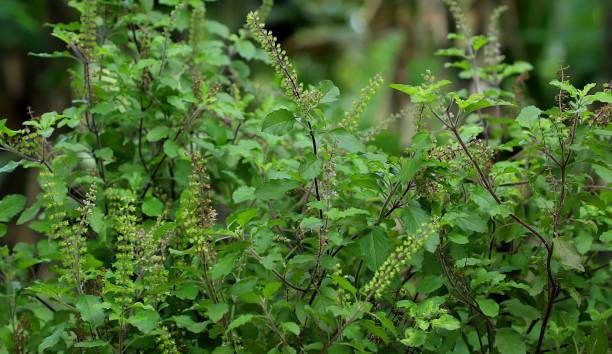
For centuries, Tulsi (also known as Heiliges Basilikum) has been revered as more than just a herb. In Ayurveda, it’s considered a “queen of herbs”, a natural powerhouse of healing properties that support the mind, body, and spirit. From boosting immunity and reducing stress to promoting clear skin, Tulsi’s benefits are backed by modern wisdom!
Beyond its medical properties, Tulsi holds deep spiritual significance in Hindu culture, often worshipped in households and temples. What makes this sacred plant so special? Let’s explore the different health benefits of Tulsi and the unique ways you can use this cherished herb!
Tulsi in Ayurvedic Medicine
In Ayurveda, Tulsi is considered a “Rasayana” – a rejuvenating herb that promotes longevity and vitality. It’s known to balance the doshas, particularly the Vata and Kapha, making it an effective remedy for respiratory issues, stress, and inflammation.
Tulsi’s various health benefits include:
- Boosting immunity with its antioxidants and antimicrobial compounds.
- It supports respiratory health by acting as a natural expectorant. It’s used in Ayurvedic remedies for coughs, colds, and asthma.
- Reduces stress and anxiety as an adaptogen. It regulates cortisol levels, promotes relaxation, and mental clarity.
- Aids digestion by stimulating the digestive system and reducing bloating.
- Detoxifies the body by removing toxins and supports liver function.
- Steigert die Hautgesundheit with antibacterial and anti-inflammatory properties. Tulsi helps treat acne, eczema, and skin infections.
Tulsi in Religious Practices
Tulsi isn’t just an herb; it’s a sacred plant deeply embedded in Hindu religious traditions. Many households keep a Tulsi plant in their courtyards, believing it brings prosperity and spiritual purity.
- Offerings and Worship – Devotees offer water, flowers, and prayers to Tulsi, especially during the holy month of Kartik (October-November).
- Tulsi Vivah – A ceremonial wedding of Tulsi to Lord Vishnu is performed, marking the beginning of the Hindu wedding season.
- Daily Rituals – Many consume Tulsi leaves on an empty stomach, believing it purifies the mind and body.
- Spiritual Significance – Tulsi is said to enhance devotion and cleanse negative energies, making it an essential part of pujas (prayers).
Health Benefits of Tulsi
1. Adaptogenic Properties
As mentioned above, Tulsi is an adaptogen. It helps your body adapt to any kind of stress, whether physical, emotional, or environmental. It regulates cortisol levels, reducing the negative effects of chronic stress, fatigue, and burnout. Unlike stimulants, Tulsi energises naturally without causing crashes!
2. Stress Relief
Feeling overwhelmed? A cup of Tulsi tea is what you need! Studies show that Tulsi reduces anxiety, improves mood, and promotes mental clarity by influencing neurotransmitters like serotonin and dopamine. This makes it a natural remedy for anxiety, depression, and brain fog.
3. Hormone Regulation
Tulsi helps regular hormonal imbalances, especially those related to thyroid function, adrenal health, and reproductive hormones. For women, it can ease PMS symptoms and support hormonal balance during menopause, while for men, it may enhance testosterone production and fertility.
4. Sleep Improvement
Struggling with insomnia or restless nights? Tulsi’s calming properties help reduce nighttime cortisol levels, allowing your body to relax. Drinking warm Tulsi tea before bed or diffusing Tulsi essential oil can promote more profound, more restorative sleep.
5. Protection Against Toxicants
Tulsi is a natural detoxifier, protecting against toxins from pollution, heavy metals, and pesticides. Its antioxidant compounds, like eugenol and rosmarinic acid, help neutralise free radicals and prevent oxidative stress, reducing the risk of chronic diseases.
6. Immune Support
Tulsi is a well-known immune booster, helping to ward off infections, colds, flu, and respiratory issues. It enhances the production of T and natural killer cells, making it a natural antiviral, antibacterial, and antifungal remedy.
7. Inflammation Reduction
Chronic inflammation is at the root of many diseases, including arthritis, heart disease, and diabetes. Tulsi’s bioactive compounds help lower inflammation, easing joint pain, muscle soreness, and even inflammatory skin conditions like eczema and acne.
8. Brain Health Support
Tulsi is a “brain food” too! It improves cognitive function, memory retention, and focus, while also protecting against age-related neurodegenerative diseases like Alzheimer’s and Parkinson’s. Its anti-stress properties also shield the brain from cortisol-induced damage.
9. Impact on Metabolic Conditions
Tulsi is a powerful ally for metabolic health, helping to regulate blood sugar levels, blood pressure, and cholesterol. It may help:
- Lower blood glucose levels in diabetics.
- Reduce bad cholesterol (LDL) while increasing good cholesterol (HDL).
- Improve insulin sensitivity, reducing the risk of Type 2 diabetes.
Tulsi Tea Recipes
With its different benefits, a warm Tulsi tea is the perfect natural remedy for any ailment!
Classic Tulsi Tea
Zutaten:
- 1 cup water
- 5-7 fresh Tulsi leaves (or 1 tsp dried Tulsi)
- Honey or lemon (optional)
How to Make:
- Boil water and add Tulsi leaves (or dried Tulsi).
- Let it steep for 5-7 minutes.
- Strain, add honey or lemon, and enjoy!
Tulsi Ginger Tea (for Colds and Immunity)
Zutaten:
- 1 cup water
- 5 Tulsi leaves
- ½ tsp grated ginger
- ½ tsp honey
How to Make:
- Boil Tulsi leaves and ginger in water for 7-10 minutes.
- Strain, add honey, and sip warm.
Tulsi Turmeric Tea (for Detox, Joint Pain, and Digestion)
Zutaten:
- 1 cup water
- 5 Tulsi leaves
- ½ tsp turmeric powder
- ½ tsp black pepper
- Honey (optional)
How to Make:
- Boil Tulsi leaves in water for 5 minutes.
- Add turmeric and black pepper.
- Strain, add honey if desired, and enjoy!
Tulsi Green Tea (for Metabolism, Weight Loss, Focus, and Energy)
Zutaten:
- 1 cup water
- 5 Tulsi leaves
- 1 green tea bag
- Lemon slice
How to Make:
- Boil Tulsi leaves in water for 5 minutes.
- Remove from heat, add a green tea bag, and let it steep for 2-3 minutes.
- Strain, add lemon, and enjoy!
Related Article: Ayurvedic Herbs and Teas for Detox
Tulsi Benefits for Cold
When a cold strikes, Tulsi is one of the best natural remedies. It offers antiviral, antibacterial, and immune-boosting properties, making it a go-to herb for relieving cough, congestion, sore throat, and respiratory discomfort. Here’s why Tulsi is your best ally during cold season:
- Clears Congestion and Mucus – Tulsi acts as a natural expectorant, helping to loosen and expel mucus from the respiratory tract. Whether you’re dealing with a stuffy nose, chest congestion, or sinus pressure, Tulsi enables you to breathe easier.
- Fights Cold and Flu Viruses – Rich in antiviral and antimicrobial compounds, Tulsi helps combat the viruses and bacteria responsible for colds, flu, and throat infections. Regular consumption can even help reduce the frequency of seasonal illnesses!
- Soothes Sore Throat and Cough – Its anti-inflammatory and soothing properties help relieve an itchy, irritated throat. Whether you have a dry cough or a wet, phlegmy one, Tulsi calms irritation, reduces coughing fits, and promotes throat healing.
- Boosts Immunity—It enhances the body’s natural defence system, increasing T-cell activity and strengthening the immune response. This helps the body fight off infections faster and reduces the chances of secondary complications.
- Reduces Fever Naturally – Traditionally, Tulsi has been used as a natural febrifuge (fever reducer). It helps bring down fever by encouraging sweating, aiding detoxification and recovery.
- Eases Headaches and Sinus Pressure – The cooling and anti-inflammatory effects of Tulsi help reduce headaches and sinus congestion caused by colds. Drinking warm Tulsi tea or inhaling steam infused with Tulsi leaves can provide instant relief.
How to Use Tulsi for Cold Relief
- Tulsi Tea: Boil 5-7 Tulsi leaves in a cup of water. Add honey and ginger for extra relief.
- Tulsi Kadha – A more potent decoction with Tulsi, black pepper, cloves, and cinnamon to fight colds.
- Tulsi Steam Inhalation – Add Tulsi leaves to hot water and inhale the steam to clear congestion.
- Chewing Fresh Tulsi Leaves – Helps soothe the throat and boost immunity.
Tulsi for Anxiety
As a natural adaptogen, Tulsi helps your body cope with stress, balance mood, and promote mental clarity. Whether dealing with daily stress or chronic anxiety, this sacred herb works holistically to calm the mind and nourish the nervous system.
How does Tulsi help with Anxiety?
- Lowers cortisol levels.
- Boosts mood and mental clarity because of its neuroprotective compounds. It increases dopamine and serotonin as well.
- Acts as a natural sedative (without drowsiness!).
- Promotes better sleep.
- Supports heart and nervous system health.
How to Use Tulsi for Anxiety Relief
- Tulsi Tea: Boil 5-7 Tulsi leaves in a cup of water. Add honey or chamomile for extra relief.
- Tulsi Essential Oil—Add a few drops of Tulsi essential oil to a diffuser. Inhale deeply to reduce stress and mental fatigue. You can also mix it with a carrier oil and massage it onto the temples.
- Chewing Fresh Tulsi Leaves – Chewing 4-5 fresh Tulsi leaves in the morning can help calm the mind and reduce stress levels throughout the day.
- Tulsi Supplements for Long-Term Support –
Tulsi Benefits for Skin
- Fights Acne and Pimples – Tulsi is a natural antiseptic and antibacterial agent that kills acne-causing bacteria, reduces inflammation, and prevents breakouts. It also controls excess oil production, making it perfect for oily and acne-prone skin.
- Brightens Complexion – Rich in antioxidants, Tulsi removes toxins, reduces dark spots, and improves skin tone. It boosts blood circulation, giving you a healthy, radiant glow.
- Soothes Skin Irritation and Reduces Redness – Tulsi’s anti-inflammatory compounds help calm skin conditions like eczema, psoriasis, and rashes, reducing itching and redness.
- Hydrates and Nourishes the Skin—It’s a natural moisturiser that helps retain skin hydration. It prevents dryness, flakiness, and premature aging by keeping the skin soft and supple.
- Protects Against Skin Infections—With its powerful antifungal and antibacterial properties, Tulsi helps treat fungal infections, wounds, and skin irritations, keeping skin healthy and blemish-free.
DIY Tulsi Face Wash
Zutaten:
- 10 fresh Tulsi leaves (or 1-2 tsp dried Tulsi powder)
- 2 tbsp gram flood (besan) or multani mitti (Fuller’s Earth)
- 1 tbsp rose water
- ½ tsp turmeric
- Water (as needed)
How to Make:
- Blend Tulsi leaves into a fine paste. If you’re using Tulsi powder, mix it with rose water.
- Add gram flour and turmeric, mixing into a smooth paste.
- Apply to damp skin, massage for 1-2 minutes, then rinse with lukewarm water.
- Use daily for fresh, clear skin!
Bonus Tip: For a quick and easy skincare solution, you can also use store-bought Tulsi-based face washes!
Tulsi Face Wash Benefits
- Deep Cleanses the Skin
- Fight Acne and Pimples
- Balances Oil Production
- Brightens and Refreshes Skin
- Soothes and Heals Skin
Related Article: 4 DIY Ayurvedic Skincare Recipes
Tulsi Benefits for Hair Growth
- Strengthens Hair Follicles and Prevents Hair Fall – Tulsi boosts blood circulation to the scalp, ensuring hair follicles get the nutrients they need to grow stronger and thicker.
- Promotes Faster Hair Growth – Rich in vitamins A, C, and K, plus essential minerals, Tulsi stimulates hair regrowth, making your mane fuller and healthier.
- Fights Dandruff and Scalp Infections – Tulsi’s antifungal and antibacterial properties keep the scalp clean and itch-free, preventing dandruff, flakiness, and fungal infections.
- Reduces Hair Thinning and Premature Greying—Tulsi’s powerful antioxidants help fight oxidative stress, a leading cause of hair thinning and premature greying.
- Balances Scalp Oil Production—Whether you have a dry or oily scalp, Tulsi helps maintain the right balance of natural oils, keeping hair soft, shiny, and well-hydrated.
How to Use Tulsi for Hair Growth
- Tulsi Hair Oil – Crush a handful of fresh leaves and mix with coconut or sesame oil. Heat on low heat for 5 minutes, let cool, and strain. Massage this into your scalp 2-3 times weekly for stronger hair and less hair fall. This helps strengthen hair roots.
- Tulsi Hair Mask – Blend Tulsi leaves into a paste and mix with curd or aloe vera gel. Apply to the scalp and hair, leaving it on for 30 minutes. Rinse with a mild shampoo for deep nourishment and hair growth. This mask helps you achieve thick, shiny hair!
- Tulsi and Amla Hair Rinse – Boil a handful of Tulsi leaves with 2 tbsp of amla powder in 2 cups of water. Let it cool and use it as a final rinse after shampooing. This fights dandruff and makes hair strong, shiny, and healthy.
Related Article: 10 DIY Ayurvedic Hair Care Treatments
Tulsi Benefits for Weight Loss
Losing weight isn’t just about cutting calories—it’s about balancing metabolism, reducing stress, and detoxifying the body. Tulsi also shines in this area! It’s a natural aid for sustainable weight loss.
How does Tulsi help with weight loss?
- Boosts Metabolism and Fat Burning – Tulsi stimulates metabolic activity, helping the body burn calories more efficiently. A faster metabolism means less fat storage and more energy.
- Reduces Stress and Emotional Eating—High stress equals more cortisol, which triggers fat storage (especially belly fat). Tulsi lowers cortisol levels, keeping stress-related cravings in check.
- Suppresses Appetite and Controls Cravings – Tulsi naturally reduces hunger pangs and emotional cravings, making it easier to stick to healthy eating habits.
- Detoxifies the Body
- Improves Digestion and Gut Health – Tulsi stimulates digestive enzymes, keeping the gut healthy and efficient.
How to Use Tulsi for Weight Loss
- Tulsi Tea: Boil 5-7 Tulsi leaves in a cup of water. Add honey and ginger for extra detox benefits. Drink this twice daily on an empty stomach for maximum weight loss support.
- Tulsi and Ginger Detox Drink: Blend fresh Tulsi leaves with ginger, lemon juice, and warm water. Drink this in the morning to boost digestion and fat metabolism.
- Chewing Fresh Tulsi Leaves – Chew 4-5 fresh Tulsi leaves before meals to reduce cravings and overeating.
- Tulsi and Cinnamon Infused Water – Soak Tulsi leaves and a cinnamon stick in water overnight. Drink throughout the day to stabilise blood sugar and promote fat burning.
Modern Uses of Tulsi
Tulsi in Diet and Nutrition
With its antioxidant-rich profile, digestive benefits, and immune-boosting properties, Tulsi is a staple in Ayurvedic diet. It provides a nutritional boost while supporting overall health.
- Tulsi Tea is a caffeine-free alternative to coffee.
- Tulsi in Smoothies and Juices. Tulsi leaves can be blended into green smoothies and detox juices. They enhance metabolism and support digestion. They pair well with spinach, cucumber, lemon, and ginger.
- In Culinary preparation, Tulsi is used in soups, herbal broths, and salads for its earthy, peppery flavour. It can also be added to spice blends or used as a garnish.
Tulsi Supplements
Here are the most commonly used Tulsi supplements:
- Honitus Syrup – a natural herbal supplement with Tulsi, Mulathi, and Banaphsa in honey. This Ayurvedic product helps relieve coughs and soothes throat irritation without causing sedation, constipation, or dryness of the mouth.
- Zeal Cough Syrup is an Ayurvedic supplement formulated to help liquefy thick mucus, ease expectoration, and relieve respiratory congestion and bronchial spasms. It’s non-alcoholic, non-narcotic, suitable for use during pregnancy, and safe for daily use.
Ayurvedic Hand Wipes made from Tulsi:
- Pure Hands Tulsi and Lemon Hand Wipes are sanitizing hand wipes that provide 99.9% germ protection anytime, anywhere!
- Pure Hands Tulsi Hand Wipes – protects your hands on the go!
- Pure Hands Tulsi and Aloe Hand Wipes – sanitising wipes for hands that give you 99.9% germ protection!
Use of Tulsi in Aromatherapy
Beyond diet, Tulsi’s essential oil can be used in aromatherapy. Its calming, clarifying, and stress-relieving properties make it a natural choice for relaxation and emotional well-being.
- Tulsi Essential Oil for Stress Relief – Diffusing Tulsi oils creates a soothing and refreshing environment. It helps reduce anxiety, uplifts mood, and promotes mental clarity.
- Tulsi in Baths – Adding a few drops of Tulsi oil to bathwater helps relax muscles and refresh the senses.
- Massage Therapy: If blended with carrier oils (like coconut or almond oil), it makes a rejuvenating massage oil.
- Steam Inhalation – Steam inhalation with Tulsi oil clears nasal congestion and supports lung health. It can also be used in chest balms for colds and flu relief.
- Tulsi for Better Sleep – A few drops of Tulsi oil on a pillow or diffuser can help promote restful sleep.
Considerations and Precautions
Tulsi is a powerful herb, but like any natural remedy, it’s essential to use it wisely. While most people can enjoy its benefits without issues, specific individuals should be mindful of potential side effects and interactions.
While generally safe, excessive consumption may lead to:
- Risk of Bleeding – especially for those on anticoagulants, as Tulsi has mild blood-thinning properties.
- Lower Blood Sugar Levels – Tulsi can naturally lower blood sugar, which is great for diabetics, but may cause hypoglycemia if combined with medication.
- Possible Nausea or Stomach Irritation – In rare cases, consuming Tulsi on an empty stomach may cause mild nausea or digestive discomfort.
Tulsi is not recommended for pregnancy. It might stimulate uterine contractions, so pregnant women should consult a doctor before use.
Book a free online consultation with our Ayurvedic specialists to learn how Tulsi can safely and effectively complement your health routine!
Häufig gestellte Fragen
What does tulsi do for the body?
Tulsi boosts immunity, reduces stress, improves digestion, supports respiratory health, and promotes well-being. It’s a natural detoxifier and adaptogen, making it a staple in Ayurveda.
What is tulsi in English called?
Tulsi is known as Heiliges Basilikum in English. It belongs to the Lamiaceae (mint) family and differs from common cooking basil.
Is it safe to drink Tulsi tea every day?
Yes! Drinking Tulsi tea daily can support immunity, digestion, and stress relief. However, moderation is key; 1-2 cups daily is ideal.
Are basil and tulsi the same?
No, they’re different. While both belong to the basil family, Tulsi (Holy Basil) has medicinal properties, whereas common basil (sweet basil) is mainly used for cooking.
What happens if I take too much Holy Basil?
Excessive Tulsi intake may lower blood sugar and blood pressure too much, cause nausea, or interact with medications. Stick to recommended amounts to enjoy its benefits safely.
 Deutsch
  English
  Русский
  Français
  Türkçe
  Italiano
  Español